
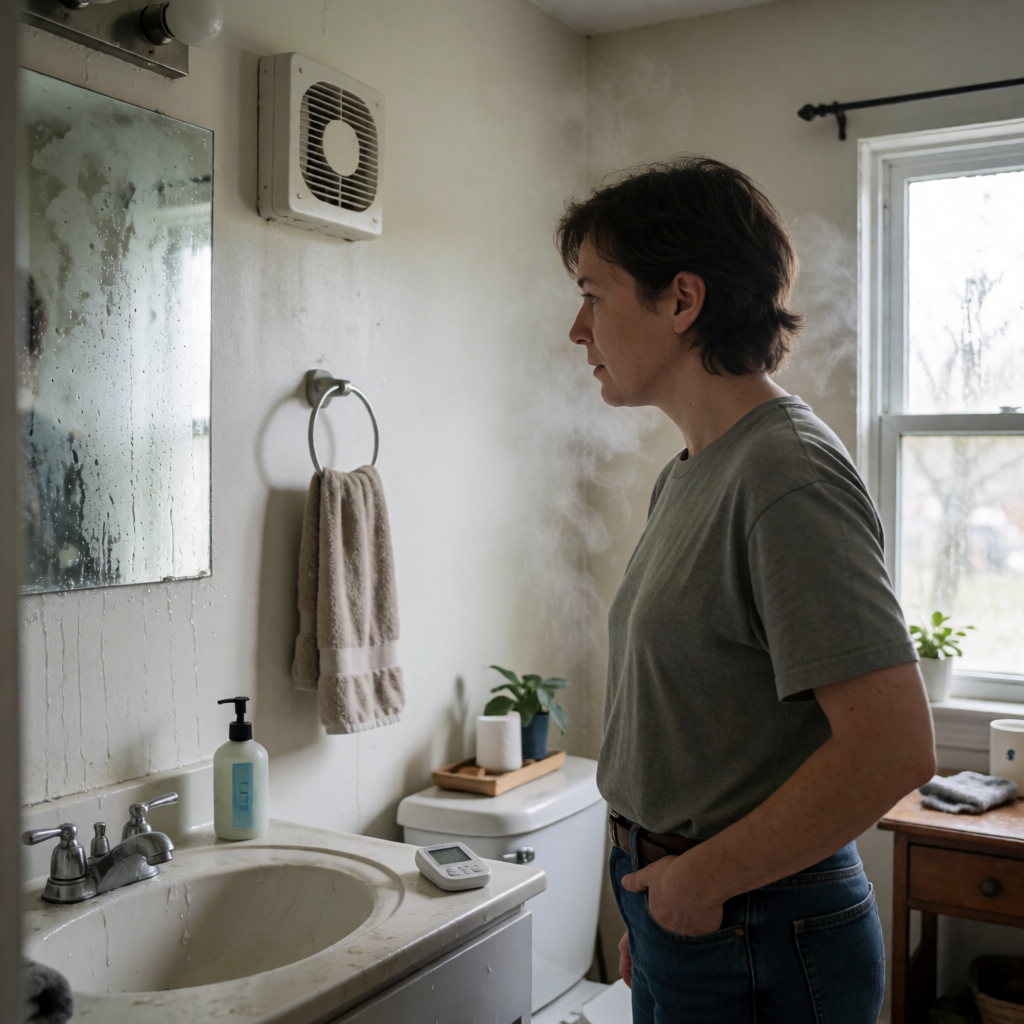
Why Does My House Feel Humid?
You walk into your house and immediately notice something feels different. The air seems heavy, your skin feels slightly damp, the windows may have moisture on them, and the rooms do not feel as comfortable as they should.
Sometimes the problem is obvious. You may have just taken a long shower, cooked a large meal, or dried clothes indoors. Other times, the house feels humid even when you cannot see where the extra moisture is coming from.
Before buying equipment or making major changes, it helps to figure out where the moisture is coming from and whether the humidity is actually high.
Where Could All That Extra Moisture Be Coming From?
Humidity is simply water vapor present in the air. Your home naturally produces some of it every day.
People breathe. Showers create steam. Cooking releases moisture. Laundry can add water to indoor air, especially when clothes are dried inside.
The trouble starts when more moisture enters the house than the ventilation and heating or cooling systems can remove.
High indoor humidity can also show up as condensation on windows, damp areas, musty smells, or surfaces that seem slow to dry. The EPA recommends keeping indoor relative humidity around 30–50% when possible and below 60% to help reduce moisture-related problems.
Common Reasons a House Becomes Humid
1. Showers are putting more moisture into the air than you realize
A hot shower creates a surprising amount of water vapor.
If the bathroom fan is not being used, is weak, or sends air somewhere other than outdoors, that moisture can remain inside the house.
You may notice the effect outside the bathroom as well, especially if warm damp air moves into cooler rooms.
2. Cooking is adding moisture to the kitchen
Boiling water, cooking pasta, simmering food, using the dishwasher, and other kitchen activities can raise indoor humidity.
If your range hood or kitchen exhaust fan is not removing the moist air effectively, the vapor remains inside.
The EPA specifically recommends exhausting moisture-producing activities such as cooking to the outdoors where possible.
3. Clothes are drying inside the house
A load of wet laundry contains a considerable amount of water.
If you hang clothes indoors to dry, that water eventually becomes part of the indoor air unless it is removed through ventilation or dehumidification.
This can be especially noticeable in a small room with the door closed.
4. Your basement may be contributing moisture
A basement can make the entire house feel damp even when the upper floors look perfectly normal.
Check for:
- damp walls or floors
- water stains
- condensation around pipes
- musty odors
- wet areas near windows
- moisture around the foundation
- a sump pump or drainage problem
Water can enter a home through leaks, seepage, foundation areas, plumbing problems, or poor drainage around the building.
5. A hidden plumbing leak may be adding moisture
Not every water leak produces a visible puddle.
A small leak under a sink, behind an appliance, around a toilet, or inside a wall can release moisture continuously.
If one part of the house smells damp or develops staining, peeling paint, swollen materials, or unexplained discoloration, investigate rather than assuming the humidity is simply caused by the weather.
6. The house may not be getting enough air exchange
Modern homes can be relatively well sealed.
That is helpful for energy efficiency, but moisture still needs somewhere to go.
If showers, cooking, laundry, and normal household activities continually add water vapor without adequate ventilation, indoor humidity can gradually rise.
7. Your air conditioner may not be removing enough moisture
An air conditioner does more than lower temperature.
As warm indoor air passes over the cold coil, some of its moisture condenses and is removed from the air.
If the system is not operating properly, runs for unusually short periods, has drainage problems, or is not appropriately sized for the space, humidity may remain uncomfortable even when the house feels cool.
8. A humidifier may be adding too much moisture
If you use a whole-house or portable humidifier, check its setting.
A humidifier that is running when the house already has sufficient moisture can make the situation worse.
Do not assume that adding humidity is always beneficial. The appropriate level depends on the conditions inside and outside your home.
Simple Checks You Can Do Yourself
You do not have to guess whether your house is humid.
Check the humidity with a hygrometer
A small digital hygrometer can tell you the relative humidity inside a room.
Place one in an area where you spend a lot of time rather than directly beside a humidifier, shower, kitchen stove, or exterior door.
Compare readings at different times of the day.
The EPA recommends indoor relative humidity around 30–50% when possible and below 60% as a general moisture-control target.
Look at the windows
Do you regularly see water droplets on the inside of the glass?
Occasional condensation can happen when warm indoor air meets a cold window. Repeated or excessive condensation can indicate that there is too much moisture in the indoor air.
Cold surfaces are particularly likely to reveal a humidity problem because water vapor can condense when it meets them.
Check the bathroom after a shower
Take a normal shower and pay attention to what happens afterward.
Does the mirror stay covered in moisture for a long time?
Does the bathroom remain steamy after the fan has been running?
Does the fan sound weak?
These observations can tell you whether the bathroom is actually removing the moisture it produces.
Test the kitchen exhaust
Turn on the range hood while cooking.
If it vents outdoors, check whether you can feel or hear air moving through the system.
If the hood simply recirculates air through a filter, it may remove grease and odors but will not remove moisture from the room in the same way an exterior exhaust system does.
Look underneath sinks and around appliances
Use a flashlight and inspect areas that are easy to ignore.
Check around:
- kitchen and bathroom sink plumbing
- dishwasher connections
- washing machine hoses
- refrigerator water connections
- toilets
- water heaters
- exposed basement pipes
Look for water marks, corrosion, damp materials, or anything that appears different from the surrounding area.
Inspect the basement or crawlspace
If the upper floors feel humid, do not forget to investigate below them.
Look for signs of water entry, condensation, damp concrete, wet insulation, or a persistent musty smell.
Also check whether gutters and downspouts are directing rainwater away from the foundation. Poor drainage around the house can contribute to moisture entering the basement or foundation area.
DIY Ways to Lower Humidity
Once you have an idea of where the moisture is coming from, start with the simplest change.
Use bathroom ventilation during and after showers
Turn on the bathroom exhaust fan when showering and leave it running afterward long enough to clear the moisture.
Make sure the fan actually vents outdoors.
If the bathroom has no effective exhaust system, improving ventilation may make a noticeable difference.
Use the kitchen exhaust when cooking
Whenever possible, remove steam while you are creating it.
Use the exhaust fan during cooking, especially when boiling water or preparing food that produces a lot of steam.
If your kitchen has no exterior exhaust, opening a window briefly when outdoor conditions are suitable can help exchange air.
Dry laundry somewhere appropriate
If possible, use a dryer that vents outdoors or dry clothes in a location with good ventilation.
Avoid turning a small enclosed room into a permanent indoor drying area if humidity is already a problem.
The EPA lists clothes drying as one of the household activities that can introduce additional moisture into indoor air.
Run a dehumidifier
A dehumidifier can be useful when the moisture level remains high despite reasonable ventilation.
Place it where the humidity problem is strongest.
For a basement, for example, a dehumidifier may be more useful downstairs than in an upstairs bedroom.
Set the target based on an actual humidity reading rather than simply choosing the lowest possible setting.
Use your air conditioner when appropriate
Air conditioning can help remove moisture as it cools the indoor air.
If your home feels cool but unusually damp, however, do not assume that turning the thermostat lower will solve the problem.
The system needs to operate correctly and remove moisture effectively.
Keep moisture-producing rooms ventilated
Bathrooms, kitchens, laundry areas, and basements deserve extra attention.
Try to prevent moisture from spreading through the rest of the house before it has been removed.
Closing a bathroom door while the exhaust fan operates, for example, can help keep shower moisture from moving into nearby rooms.
Deal with small leaks promptly
A dripping pipe may seem insignificant compared with a flooded basement, but continuous moisture is still worth addressing.
Repair accessible plumbing leaks and dry affected materials.
If a leak has soaked drywall, insulation, flooring, or other porous materials, do not simply cover the area and forget about it. Wet materials should be dried promptly because prolonged moisture can encourage mold growth.
Improve air movement around cold surfaces
Condensation becomes more likely when warm humid air reaches cold surfaces.
If you notice repeated moisture around a cold pipe, window, or exterior wall, look at both sides of the problem: the moisture in the air and the temperature of the surface.
Better air circulation or insulation can sometimes reduce condensation.
What Not to Do
Do not automatically buy a humidifier
If the house already feels damp, adding more moisture is the opposite of what you need.
Check the humidity level first.
Opening a Window Is Not Always the Best Answer
Fresh outdoor air can help when the outside air is drier than the air inside.
But opening windows during very humid weather can bring even more moisture indoors.
Check the indoor and outdoor conditions before deciding that ventilation through open windows will help.
Do not ignore repeated condensation
A little moisture on a window during a very cold day may not indicate a major problem.
But if condensation happens regularly or appears on walls, pipes, ceilings, or other surfaces, investigate the cause.
Persistent moisture can contribute to mold and material damage.
Do not cover a damp area and call the problem solved
Painting over a stain or placing furniture in front of a damp wall does not remove the source of the water.
Find out where the moisture is coming from first.
Do not keep running a dehumidifier without checking why humidity is high
A dehumidifier can control the symptom while a leak or building problem continues in the background.
If the machine has to run almost constantly, investigate the source of the moisture.
Do not ignore the basement
If the basement is damp, treating only the upstairs rooms may not solve the overall problem.
Check drainage, foundation areas, plumbing, condensation, and ventilation.
When Should I Call for Help?
Some humidity problems are easy to manage yourself.
Others point to a larger building or mechanical issue.
Consider professional help if:
- you cannot locate the source of persistent moisture
- there is water entering through the foundation
- a plumbing leak is hidden inside a wall or ceiling
- drywall, insulation, flooring, or structural materials have been repeatedly wet
- you find extensive mold growth
- the HVAC system is not controlling humidity properly
- the basement remains wet despite basic drainage improvements
- water appears after rain even though there is no obvious interior leak
- a roof or exterior-wall problem may be allowing water inside
Large mold problems can also require professional assessment. The EPA notes that significant mold contamination, including areas larger than about 10 square feet, may require professional remediation.
If the problem involves electrical equipment exposed to water, stop and get appropriate professional assistance rather than experimenting with the equipment yourself.
Quick Humidity Checklist
Before deciding what to do, run through this list:
- Use a hygrometer to see what the moisture level is inside your home.
- Look for condensation on windows.
- Inspect the bathroom after showers.
- Make sure bathroom exhaust goes outdoors.
- Use kitchen ventilation while cooking.
- Check whether clothes are being dried indoors.
- Look under sinks and around appliances.
- Inspect basement and crawlspace areas.
- Check gutters and downspouts.
- Look for plumbing leaks or water stains.
- Check your humidifier setting if you use one.
- Consider a dehumidifier if humidity remains high.
- Watch for mold, musty odors, or repeatedly damp materials.
- Get professional help if you cannot find or safely correct the moisture source.
Bottom Line
If your house feels humid, start by measuring the moisture instead of guessing.
A shower, cooking, laundry, basement moisture, plumbing leak, poor ventilation, or HVAC problem can each contribute to the feeling of damp indoor air.
A simple humidity reading can tell you whether you are actually dealing with elevated moisture. From there, look for the source and make one change at a time.
For many homes, better bathroom and kitchen ventilation, proper moisture removal, prompt leak repairs, and a correctly used dehumidifier can make the indoor environment noticeably more comfortable.
The important part is not simply making the air feel drier. It is finding out why the moisture is there in the first place.